
Baby cereal against baby-led weaning, to vaccinate or not, crib vs. family bed, there is another controversy surrounding parenthood – swaddling! Parents of newborns – should you swaddle your baby? What are the pros and cons of swaddling? Is swaddling safe? Let’s talk about the advantages and disadvantages of swaddling your baby, why this age-old technique has become so popular, and where the American Academy of Pediatrics stands on whether to swaddle or not.
Between you and me, I wouldn’t necessarily expect to hear about the advantages or disadvantages of swaddling a baby from your pediatrician. According to this paper published in the Journal of Pediatrics, less than half of pediatricians inform new parents about the pros and cons of swaddling, and over half of the surveyed pediatricians reported that they weren’t educated about swaddling at any point of their training or career. That’s obviously not ideal, but you’re learning about the benefits and risk factors of swaddling on your own, so you have your bases covered either way!
First – what are the benefits of swaddling a baby?
Advantages of swaddling
There are several reasons why parents choose to swaddle their babies:
- Keeping baby warm. Newborn babies can’t regulate their temperature very well (low-birthweight infants and premature babies may have a hard time maintaining their body temperature even in a warm environment). Swaddling helps keep newborns warm during naps and throughout the night, and it’s a safer option compared with a loose blanket, quilt, or a comforter which can cover your baby’s face during sleep and increase the risk of accidental suffocation.
- Keeping baby cozy. Babies tend to be calmer and fuss less when swaddled. When you wrap a newborn snug in a blanket, you’re sort of recreating the feeling of being back in the mother’s womb which can help infants relax as they adjust to the new world around them.
- Better sleep. Swaddling has been shown to be a beneficial tool in promoting infant sleep. Swaddled babies might have an easier time falling asleep since they feel cozy and comfy, and they’re also more likely to stay asleep because swaddling inhibits the Moro reflex (AKA the startle reflex) that babies are naturally born with which often wakes them up from sleep.
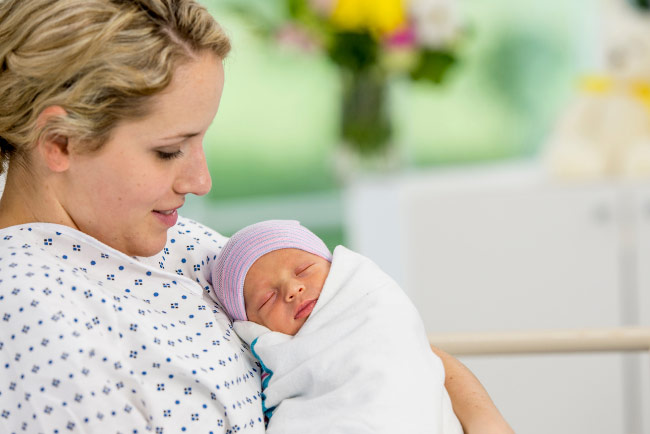
The Moro reflex is a natural reaction to a loud noise or sudden movement (though sometimes there is no apparent reason at all) that makes babies reach up and outward with their arms very suddenly. Their flailing arms wake them up from sleep and often startle them enough to start crying. The Moro reflex peaks around the first month and typically starts to disappear after about 2 months of age.
Related:
These are the three main advantages of swaddling: keeping newborns cozy and calm, and helping them sleep longer. Many parents swear by swaddling, and most babies like being swaddled.
Does swaddling have negative effects?
It can.
There are a few valid concerns associated with swaddling that all parents should be aware of.
Don’t miss: The Best Natural Baby Products (2022 Ultimate Guide!)

Disadvantages of swaddling
In case your pediatrician is keeping mute on the risks of swaddling, this is what you should be aware of if you’re swaddling or planning to swaddle your baby:
- Hip problems. Swaddled babies are at risk of developing a condition known as hip dysplasia that affects healthy hip development (girls in particular are 4-5 times more likely than boys to have hip dysplasia, according to the International Hip Dysplasia Institute). When infants are swaddled the wrong way, their legs can be forced into an unnatural position which can loosen hip joints, force the hips out of sockets, and damage the soft cartilage of the socket. To prevent hip dysplasia, the swaddle should be fairly loose around the legs and hips, giving your baby plenty of wiggle room to move legs upwards and out to the side.
- Suffocation. Improper swaddling techniques can lead to breathing problems or even suffocation. One example is a swaddle blanket becoming loose – a squirmy baby may be able to wriggle out of the swaddle and move the blanket over the face which can restrict airflow. Swaddled infants can also get stuck in an airway-restricted position if they happen to roll over. Technically, rolling over is made more difficult in a swaddle. But, if it happens, a swaddled baby won’t be able to use his limbs to wiggle himself out of a situation that restricts breathing and may get stuck in a face-down position, making breathing difficult or impossible. The only safe sleeping position for a swaddled baby is on their back. If using a swaddle blanket, choose a breathable natural fabric like 100% cotton. Swaddling should no longer be practiced as soon as your baby starts to show signs of wanting to roll over.
- Swaddling too tight. Just as swaddling your baby too loose isn’t optimal as it may lead to accidental suffocation (and may not be effective in soothing your newborn anyway), caution must be taken to avoid swaddling your baby too tight as well. When you swaddle your baby too tight, you’re risking cutting off your baby’s circulation. Another risk of tight swaddling is compressing the chest wall which can impede breathing. Additionally, when babies are swaddled too tight and aren’t able to take full breaths, they can be more prone to respiratory problems and prolonged healing after upper respiratory infections. To prevent this swaddling risk, you should be able to place two fingers between your baby’s chest and the swaddle.
- Overheating. Swaddling can increase the chance your baby will overheat, particularly when fully swaddled with baby’s arms and legs inside the swaddle. Overheating makes babies cranky and wakes them up from sleep, but more importantly it can cause abnormal breathing which also happens to be one of the many factors associated with SIDS (sudden infant death syndrome). No need to bundle up your baby under the swaddle – unless the room temperature is very cold, a onesie is usually enough.
- Too much sleep. While improved sleep is one of the major benefits of swaddling, too much sleep may not necessarily be in the best interest of babies. Longer sleep can interfere with the initiation of breastfeeding and with frequent feedings that are crucial this early on. Breastfeeding is largely based on two simple factors: supply and demand. When baby sleeps more, there is less demand to nurse. With less demand, there is less supply. In addition, although swaddling improves sleep by discouraging the Moro reflex, it can’t be excluded that this is some sort of a natural protective mechanism that shouldn’t be suppressed. What if #MotherNatureKnowsBest? This is one of the disadvantages of swaddling there is no easy fix for, other than to wake your baby at set intervals.
- Missing hunger cues. One of the first hunger signs that babies show is clenching fists and pulling their fists close to their mouths, sometimes attempting to suck on their fists. They will do this well before they start to cry. You’re more likely to miss these early feeding cues when your baby is swaddled, and feeding an over-hungry baby may be frustrating for both mom and the baby, especially if you are nursing. The only solution for this side effect of swaddling is to swaddle your baby with one or both arms out, although that defeats the purpose of swaddling by encouraging the Moro reflex.
Weighing the pros and cons of swaddling
Should you swaddle your baby?
It’s up to you to weigh the benefits of swaddling as well as swaddling risks before making an informed decision that’s best for YOUR family.
Swaddling can be a wonderful tool to promote sleep and help calm a crying baby that’s too overwhelmed to settle on their own – as long as it’s done safely.
The medical community in the United States isn’t against swaddling. According to the AAP (American Academy of Pediatrics), swaddling is safe when done correctly. The greatest risk factors associated with swaddling are an increased risk of SIDS (sudden infant death syndrome) or suffocation if the baby rolls over while swaddled, overheating from wearing too many layers, and the risk of damage to infant’s hips due to hip dysplasia from tight restrictive swaddling.
If you’re leaning towards swaddling, learn about safe swaddling techniques to achieve all the wonderful benefits of swaddling while keeping your baby safe.
For more sleep recommendations for a newborn baby and older babies, take a look at this report issued by the American Academy of Pediatrics.
You may also like:
- 23 Popular Baby Products You Don’t Really Need (Or Want…)
- Best Natural Baby Toys
- Safest Bath Toys for Babies and Toddlers




Thank you for making the connection between keeping a baby warm and the fact that they can’t regulate their temperature very well. Since swaddling keeps them warm, this is a definite plus to consider. We are expecting our first child in the winter months this year. We want to be sure that warmth is not an issue since we live in a harsh climate. Purchasing some swaddling blankets is definitely in our plans sometime before then.