
What are the safest baby wipes on the market today? Which brands make the best non-toxic baby wipes that work well without exposing your baby to harmful chemicals? Let’s talk about the best natural baby wipes of 2021! In this article you’ll find a list of some of the most natural baby wipes on the market today, complete with a review analysis of each brand based on the feedback received from its customer base.
Why natural & non-toxic baby wipes?
Even though the formulations of baby wipes are gradually improving each year, many are still made with ingredients that unnecessarily expose babies to harsh and otherwise problematic chemicals. Exposure to toxic chemicals in the early years of childhood when the brain, neurological system, and organs are rapidly developing can cause disruptions to these sensitive processes. In addition, some chemicals act as endocrine disruptors which means they can directly interfere with the body’s hormone functions.
Compared with other age groups, babies and small children are particularly vulnerable to the effects of toxic chemicals simply because they tend to have a much harder time breaking down the toxins and eliminating them from the body. In addition, a child’s skin is structurally different from the skin of an adult – it’s thinner and more permeable, so any chemicals applied directly on the skin have an easier time passing through.
This website uses referral links. Please read our disclosure policy for more information.
Only the safest baby wipes
All baby wipes listed in this article are FREE OF:
- fragrance
- phenoxyethanol & other problematic preservatives
- ethoxylated ingredients with a high risk of contamination
- known skin irritants
- synthetic skin penetration enhancers
The baby wipes included in this review contain some of the safest ingredients. That being said, reactions happen, sometimes even when it comes to the most benign elements. If you see redness or other forms of irritation on your baby’s skin after using any type of baby wipes, please stop using the wipes immediately and look for a replacement that’s based on a slightly different formula. Many times the cause of irritation are the preservatives used, so my recommendation would be to start with a different preservation system.
Baby wipes material
Most baby wipes on the market today are made from polyester, polypropylene, viscose, or a blend of these materials (such as poly-viscose, a blend of polyester and viscose).
- Polyester and polypropylene are synthetic materials derived from petroleum.
- Viscose is a semi-synthetic material – made from a natural source (the cellulose of select trees or bamboo) via a series of chemical/mechanical treatments (depending on individual production methods – some are more eco-friendly than others). When you see viscose or cellulose mentioned in this article, think of the fabric as being the same class material. The benefit of bamboo viscose over wood-based cellulose lies in the sustainability of bamboo cultivation and the unbeatably soft fabric that bamboo is known to produce.
Baby wipes manufacturers generally don’t disclose the utmost details of the production of their wipe material, so keep in mind that in theory, ANY baby wipe, petroleum-based or cellulose-based, even the seemingly most natural baby wipe on this list, may contain hidden ingredients as part of the cloth processing.
In terms of eco-friendliness, viscose has a slight advantage over plastic-based types of fabric. While harsh chemicals may be used to produce viscose (the same can be said about petroleum-based fabric), viscose is made from renewable resources and is biodegradable (although when discarded in a standard landfill, things are generally very slow to degrade).

Best natural baby wipes 2021
- Brands are listed in alphabetical order.
- A base price category is included for each brand – most of the baby wipes listed cost around $0.06 per wipe on average at the moment, however, prices of baby wipes have been fluctuating quite a bit in the past year and this trend may continue for a while, so always check current prices before purchasing.
— ATTITUDE baby wipes


Buy on Amazon
Ingredients: Water, Sodium Citrate, Sodium Benzoate, Potassium Sorbate, Glycerin, Sodium Cocoamphoacetate, Chamomilla Recutita (Matricaria) Flower Extract, Citric Acid
Wipe size: 7.9 in x 6.3 in (20 cm x 16 cm)
Made in: Turkey
Average cost per wipe: $-$$-$$$
Attitude baby wipes are biodegradable and compostable – made with 100% natural cellulose fibers. The wipes are textured for a better clean.
Also offered by Attitude are Sensitive Skin baby wipes (same size, made in Mexico) which are made with the same ingredients but a slightly different formula and have soothing colloidal oatmeal added. They’re also made with 100% cellulose fiber. This version costs a little more than the regular Attitude baby wipes.
ATTITUDE baby wipes reviews:
+ No irritation
+ Good texture
– Don’t dispense easily from the package
— BETS & EMY baby wipes


Buy on Amazon
Ingredients: Water, Citrus Grandis (Grapefruit) Seed Extract
Wipe size: 7.9 in x 6.9 in (20.1 cm x 17.5 cm)
Made in: USA
Average cost per wipe: $-$$-$$$
The material of Bets & Emy baby wipes is a blend of polyester and viscose, and the wipes are textured.
With only two ingredients and both sounding natural, it’s no surprise that Bets & Emy baby wipes are a hit among those looking for the best natural baby wipes and chemical-free baby wipes. However, keep in mind the following:
- While grapefruit seed extract (GSE) may sound wholly natural, in reality, commercial GSE is actually a highly processed product.
- GSE is often assumed to be a decent antimicrobial compound, but the truth is, that only seems to be the case when the citrus extract is adulterated with synthetic preservatives.
That being said, Bets & Emy baby wipes have been vetted by the EWG organization, so I would expect the GSE used in the formulation of Bets & Emy baby wipes to be free of common contaminants such as benzethonium chloride, benzalkonium chloride, triclosan, and methyl 4-hydroxybenzoate (methyl paraben). On the other hand, researching GSE contamination in depth left me asking what other adulterants might be present that we don’t yet test for.
Based on the lack of chemical preservatives in Bets & Emy baby wipes, I wouldn’t recommend using these wipes with a wipe warmer, and I would advise you to use the wipes quickly after opening each new package. As much controversy as there is around chemical preservatives, it’s imperative to have a good preservation system in a water-based product such as baby wipes, particularly when used on infants who are more vulnerable to infections as their immune systems are still developing. Some of the pathogens, in particular some types of bacteria, can be very dangerous to an infant.
Bets & Emy baby wipes are similar to WaterWipes. In comparison with WaterWipes they are larger and a tad more stretchy.
Performance reviews for Bets & Emy baby wipes have typically been overwhelmingly positive except for the very recent reviews.
Bets & Emy baby wipes reviews:
+ Durable
+ Simple ingredient list
– Reports of recent batches smelling strongly of alcohol
– On the dry side
— ECO BY NATY baby wipes


Buy on Amazon
Ingredients: Aqua/water, Gluconolactone, Chamomila Recutita Flower Water, Citric Acid, Propanediol*, Caprylyl/Capryl Glucoside, Sodium Benzoate, Calcium Gluconate, Potassium Sorbate
Wipe size: 7.5 in x 5.9 in (19 cm x 15 cm)
Made in: Turkey
Average cost per wipe: $-$$–$$$
Eco by Naty baby wipes are made with 100% plant fibers (origin not specified) and are biodegradable and certified compostable.
*Propanediol, the plant-based humectant (moisturizing agent) used in the Eco by Naty baby wipes formula is generally considered safe and reaction to propanediol are rare, but it is a penetration enhancer which means it increases the absorption of other ingredients. If there are ingredients in a product formulation that your baby is sensitive to, the presence of a penetration enhancer can make reactions more likely to happen.
Based on the ingredients alone, Eco by Naty deserves a spot on this list of the best natural baby wipes, however, the reviews aren’t as positive.
ECO BY NATY baby wipes reviews:
+ Plastic-free wipes
– Irritation
– Odd smell
– Small
– Rip easily
– Difficult to remove from package one by one & without tearing
— ECO PEA baby wipes

Buy on Eco Pea Co.
Ingredients: Water, Glycerin, Aloe Barbadensis Leaf Extract, Gluconolactone, Sodium Benzoate, Calcium Gluconate, Coco-Glucoside, Citric Acid
Wipe size: 7.9 in x 7.1 in (20 cm x 18 cm)
Average cost per wipe: $-$$-$$$
Eco Pea baby wipes are biodegradable – made with 100% bamboo-based fibers. The wipes are textured for enhanced cleaning capabilities, and the packaging is made with a flip top lid to prevent the wipes from drying.
Bamboo-based fabric is incredibly soft, and Eco Pea baby wipes are no exception. Compared with other wipes on this list, they are also very generously sized (one of the largest on this list!).
Eco Pea baby wipes are formulated with sensitive skin in mind, and the ingredient list is simple and well thought-out. These baby wipes aren’t just one of the safest baby wipes on this list but also one of the best natural baby wipes in terms of performance as well. (FYI: Eco Pea diapers have also made it to the top of the list of the best non-toxic diapers!)
The reviews of Eco Pea baby wipes are, as always, excellent.
ECO PEA baby wipes reviews:
+ Soft
+ Thick
+ Durable
+ Dispense easily
– ¯\_(ツ)_/¯
— HONEST baby wipes


Buy on Amazon
Ingredients: Water (Aqua/Eau), Glycerin, Chamomilla Recutita (Matricaria) Flower Extract, Cucumis Sativus (Cucumber) Fruit Extract, Glycyrrhiza Glabra (Licorice) Root Extract, Prunica Granatum Juice Extract, Decyl Glucoside, Citric Acid, Caprylyl Glycol, Trisodium Ethylenediamine Disuccinate, Ethylhexylglycerin*, Sodium Benzoate
Wipe size: 7.1 in x 7.9 in (18 cm x 20 cm)
Made in: China
Average cost per wipe: $-$$–$$$
*Ethylhexylglycerin is one of the newer ingredients, and its safety data isn’t robust. This ingredient is used as a surfactant and skin conditioner, but it can also function as a preservative. Ethylhexylglycerin is generally considered safe when used in cosmetics, but in some cases it has been found to cause skin irritation even at low concentrations, especially in those prone to contact dermatitis. And, like ethoxylated ingredients, ethylhexylglycerin can contain impurities, albeit in very low levels. Just something to keep in mind.
The wipes are textured, but Honest Co. does not disclose the wipe material.
Honest is yet another brand on this list with some of the largest baby wipes. The stated dimensions are 7.1 in x 8 in, but the more exact dimensions are 7.1 in x 7.9 in, based on the full scope of metrics. This ties the wipe size with Eco Pea and Joonya.
In general, Honest baby wipes are rated very highly. Furthermore, they are easily available in many brick-and-mortar stores.
HONEST baby wipes reviews:
+ Just enough moisture
+ Sturdy
+ Thick
– Wipes come out in clumps
– Some issues with mold growth under the lid
— JOONYA baby wipes


Buy on Amazon
Ingredients: Purified Water, Aloe Barbadensis (Aloe Vera) Leaf Juice Powder, Chamomilla Recutita (Matricaria) Flower Extract, Silver Dihydrogen Citrate, Citric Acid, Decyl Glucoside, Simmondsia Chinensis (Jojoba) Seed Oil, Sodium Citrate
Wipe size: 7.1 in x 7.9 in (18 cm x 20 cm)
Made in: New Zealand
Average cost per wipe: $-$$-$$$
If you’re looking for safe natural baby wipes without sodium benzoate, Joonya baby wipes are a great option. Joonya baby wipes are preserved with silver dihydrogen citrate which seems to have a good overall safety profile.
Not only are Joonya baby wipes one of the best non-toxic baby wipes on the market, they are eco-friendly, too, and biodegradable – made from FSC-certified viscose derived from cellulose fibers. The wipes are textured, and the package has a pop-up lid for easy dispensing. In addition, Joonya implements a thorough multi-step process of water purification (including UV radiation, reverse osmosis, and electro deionization) in the making of their baby wipes.
Joonya baby wipes are one of the largest on this list as well.
JOONYA baby wipes reviews:
+ Soft
+ Moist
+ Sturdy
– ¯\_(ツ)_/¯
— KINDER BY NATURE baby wipes (JACKSON REECE)
Kinder by Nature baby wipes are sold in two types: Water-based (pink packaging), and Plant-based (green packaging).


Buy on Amazon
Ingredients (Water-based/Pink): Aqua, Betaine, Levulinic Acid, Caprylyl/Capryl Glucoside, Potassium Sorbate, Glycerin, Sodium Levulinate, Sodium Citrate
Ingredients (Plant-based/Green): Aqua, Betaine, Glycerin, Caprylyl/Capryl Glucoside, Levulinic Acid, Potassium Sorbate, Sodium Levulinate, Chamomilla Recutita Flower Extract, Aloe Barbadensis Leaf Juice, Sodium Citrate
Wipe size: 5.9 in x 3.9 in (15 cm x 10 cm)
Made in: Europe (UK)
Average cost per wipe: $-$$–$$$
Kinder by Nature is a small family business based in the U.K. that makes baby wipes that happen to be some of the safest baby wipes out there. The company was started by parents who had a hard time finding a safe enough baby wipe for their children with eczema.
Both types of Kinder by Nature baby wipes are made from 100% viscose derived from wood pulp and are biodegradable (decompose in just 60 days). In addition, the packaging is recyclable. The wipes have a smooth texture (no embossed pattern).
Kinder by Nature baby wipes are preserved with levulinic acid, potassium sorbate, and sodium levulinate, so if you’re in need of safe natural baby wipes without sodium benzoate, make sure to check them out!
Both versions of Kinder by Nature baby wipes are designed specifically for sensitive and eczema-prone skin.
FYI: Kinder by Nature Water-Based baby wipes (pink packaging) are free of added fragrance, but some reviewers describe an odd smell. Kinder by Nature Plant-Based baby wipes (green packaging) contain soothing organic chamomile and aloe vera and have a nice floral (natural) scent.
Kinder by Nature baby wipes reviews:
+ Non-irritating
– Small (narrow)
– Thin
– Hard to pull out one-by-one
— LITTLE TOES baby wipes


Buy on Amazon | Little Toes
Ingredients: Purified Water (99%), Sodium Benzoate, Potassium Sorbate, Tea Tree Oil, Aloe Barbadians Leaf Juice, Cucumber Extract, Chamomilla Recutita, Citric Acid, Sodium Citrate
Wipe size: 5.9 in x 7.9 in (15 cm x 20 cm)
Made in: China
Average cost per wipe: $-$$-$$$
Little Toes baby wipes are biodegradable – made from 100% bamboo fibers, and have a soft smooth surface (not textured). Except for travel packs, the package has a plastic lid to keep the wipes moist.
Baby wipes are a fairly new addition to the Little Toes product line (Little Toes is, however, well known for making highly rated disposable diapers – find them on our best non-toxic diapers list!), so reviews for the wipes are few and far between.
FYI: There is a light smell to the wipes that some reviewers occasionally note. That’s due to the nature of the ingredients used. The wipes do not contain synthetic fragrance.
LITTLE TOES baby wipes reviews:
+ Soft
+ No skin irritation
+ Durable
– ¯\_(ツ)_/¯
— PARASOL CLEAR+PURE baby wipes


Buy on Amazon
Ingredients: RO Water, Glycerin, Potassium Sorbate, Aloe Barbadensis Leaf Extract, Xylitol, Citric Acid, Alkyl Polyglucoside
Wipe size: 8 in x 6 in (20 cm x 15 cm)
Made in: China
Average cost per wipe: $-$$–$$$
Parasol baby wipes are textured and made from synthetic cloth (spunlace non-woven fabric).
Parasol baby wipes are formulated for sensitive skin and have a Dermatest(R) approval, although I haven’t found the specific seal of approval received (there are several different tiers).
Based solely on the ingredients used, Parasol Clear+Pure qualify for this best non-toxic baby wipes list, but the wipes have been reformulated about a year ago and the reviews are slow to come in. Therefore, consider the review evaluation partial for now…
PARASOL baby wipes reviews:
+ Large
+ Thick
+ Durable
– ¯\_(ツ)_/¯
— WATERWIPES


Buy on Amazon: WaterWipes Sensitive | WaterWipes Soapberry
Ingredients – WW Sensitive: Water, Citrus Grandis (Grapefruit) Seed Extract* (*Contains trace of Benzalkonium Chloride)
Ingredients – WW Soapberry: Water, Citrus Grandis (Grapefruit) Seed Extract*, Sapindus trifoliatus (Soapberry) Fruit Extract (*Contains trace of Benzalkonium Chloride)
Wipe size: 6.4 in x 7.3 in (16.2 cm x 18.5 cm)
Made in: Ireland
Average cost per wipe: $-$$–$$$
Based on the slim ingredient list and the types of ingredients used, WaterWipes is a popular choice for those with the most natural baby wipes in mind. There is, however, that disclosure on the packaging of WaterWipes – Contains trace of Benzalkonium Chloride – that discourages some from purchasing the wipes.
What is benzalkonium chloride?
Benzalkonium chloride is a common contaminant of citrus extract (grapefruit seed extract), the ingredient used in WaterWipes. In fact, it’s the most common adulterant detected in grapefruit seed extracts overall. Benzalkonium chloride has a variety of applications but is most often used as a surfactant and antibacterial agent (preservative) in the cosmetic and medical industry. You can find it in cleaning products and detergents.
As far back as early 2020, the disclosure provided by WaterWipes was as follows: *Contains trace of Benzalkonium Chloride 0.002%. As of right now, you won’t find the 0.002% tidbit.
Realistically, 0.002% would not be all that concerning. In theory, only amounts as much as 50 times higher (0.1%) are known to elicit negative health effects, albeit in adults [source]. But WaterWipes no longer discloses just how much benzalkonium chloride the wipes may contain. I’ve reached out to the manufacturer, and this is the response I had received: “The reason we don’t mention the amount of Benzalkonium Chloride anymore is because it can vary, in some batches it can be as low 0.001% and in some batches its can be slightly higher than the 0.002% you mentioned, but at no point would it ever even come close to the 0.1% deemed safe by the EU Cosmetics Regulation EC 1223/2009.”
So with the understanding that in concentrations of 0.1% and higher, benzalkonium chloride is known to be harmful, and knowing that the content of benzalkonium chloride in WaterWipes hovers around 0.002% and within that limit, I’ll leave it up to you to decide whether that is an acceptable ingredient in your baby wipes or not.
WaterWipes Original vs. WaterWipes Sensitive:
- WaterWipes Original (blue package) have a smooth texture and are very moist (some reviewers find them too wet). They are more suitable for newborns and younger babies.
- WaterWipes Soapberry (green package) are lightly textured, slightly less moist than Original, and contain soapberry, a mild cleanser. They are well suited for babies in all stages.
Both versions of WaterWipes are made from poly-viscose (80% polyester, 20% viscose). The company is in the process of developing biodegradable baby wipes made with 100% natural materials, but their efforts have been delayed due to covid-related supply chain disruptions.
WaterWipes are not sufficiently preserved, so they are NOT suitable for use with wipe warmers as that would promote bacteria and mold growth. Also, it is recommended to use them up within 4 weeks of opening. Because they are very moist, it’s best to store them upside down until using.
WATERWIPES baby wipes reviews:
+ Very moist
+ Leave no residue
+ Sturdy
– Too moist
– Stick together & come out in clumps
– Not good for cleaning poop (WW Sensitive)
Best non-toxic baby wipes recap:
| Baby wipes brand | Wipe size (in) | Rating | Shop |
|---|---|---|---|
| Attitude ☘ | 7.9 x 6.3 | ★★☆ | Buy |
| Bets & Emy | 7.9 x 6.9 | ★★☆ | Buy |
| Eco by Naty ☘ | 7.5 x 5.9 | ★☆☆ | Buy |
| Eco Pea Co. ☘ | 7.9 x 7.1 | ★★★ | Buy |
| Honest | 7.1 x 7.9 | ★★☆ | Buy |
| Joonya ☘ | 7.1 x 7.9 | ★★★ | Buy |
| Kinder by Nature ☘ | 5.9 x 3.9 | ★☆☆ | Buy |
| Little Toes ☘ | 5.9 x 7.9 | ★★★ | Buy |
| Parasol | 8 x 6 | ★★★ | Buy |
| WaterWipes Sensitive | 6.4 x 7.3 | ★★☆ | Buy |
| WaterWipes Soapberry | 6.4 x 7.3 | ★★☆ | Buy |
Rating: best = ★★★, worst = ☆☆☆
I hope this article has helped you with your search for the safest baby wipes for your family! If you have any questions about some of the featured baby wipes brands or the ingredients used, talk to me!
Don’t forget to bookmark this page, check back on Wholesome Children from time to time, or like Wholesome Children on Facebook to be notified about Best Natural Baby Wipes 2021 updates that take place at unscheduled intervals. The truth is – baby wipes ingredients change ALL THE TIME!
You may also like:
- Common Toxic Chemicals in Disposable Diapers
- Best Non-Toxic Disposable Diapers
- Toxic Baby Products to Banish from Your Home!
- #MomHacks: Using Sunscreen for Diaper Rash
- Can You Use Diaper Cream as Sunscreen?
- The Single Best Baby Powder Alternative
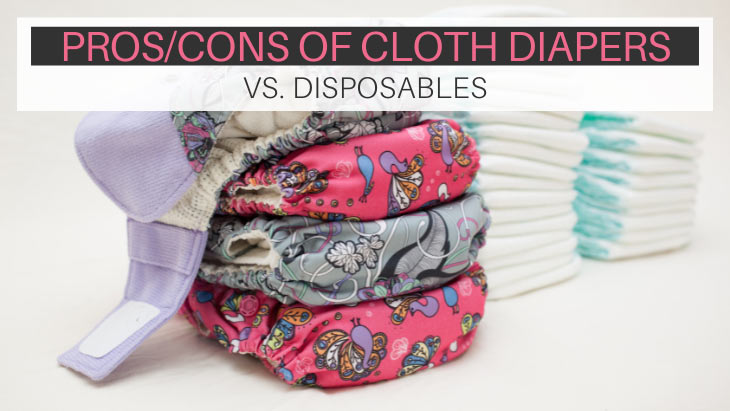
- Pros & Cons of Using Cloth Diapers
- Best Natural Baby Toys
This article is based on my own research and opinion. I have not been compensated in any way for the promotion of any of the baby wipes brands listed in this article.




I adore the emphasis on safe chemicals for delicate skin!
Have you looked into Pura’s baby wipes?
I have not yet been able to finalize a list of baby wipes I wholeheartedly recommend for 2023. Too little time on my part and frequent changes in ingredients – there are over 70 brands to analyze and keep track of – it’s coming though!
Could you share why the Kinder by Nature wipes only got one star at the review at the end of your post? Going by your ingredient breakdown in the article it seems like a really good option to me. But maybe there’s something I missed?
Happy to, Melinda! Each brand has its own detailed review with a list of pros and cons in addition to a formulation that’s free of toxic and harsh ingredients. Sometimes, wipes can be gentle on baby’s skin but just not as practical or functional as other brands. At the time of publishing, Kinder by Nature baby wipes were comparatively smaller in size (by a lot) and thinner than most other brands of wipes and came out of the packaging in clumps rather than one by one, which were all features that many parents disliked. This guide is in need of an update, however, so please do take it with a grain of salt.
Hi! Is the review on Attitude still current? Just bought two boxes but saw a reply to a comment that you’re updating the is list soon. Love these lists keep them coming!!
Hi Lauren! Thanks for stopping by! 🙂 Yes, the Baby Wipes Guide needs to be updated. That said, Attitude baby wipes still seem to be made with the same ingredients and identical formulation (according to their website), so that information is still relevant.
Sodium Benzoate is not safe, this list is wrong.
There are baby wipes on this list without sodium benzoate for those that prefer to avoid this ingredient. In a water-based product, preservative is a must, especially when used on infants since their immune system is still maturing. Research suggests that on its own, sodium benzoate is not a toxin, carcinogen, or sensitizer – as long as the allowed concentrations aren’t exceeded. The main concerns are related to its use as a food preservative. Feel free to elaborate on your concerns over sodium benzoate so that I can better understand why you consider the use of sodium benzoate in baby wipes unsafe.
Thanks for your article. Have you or could you review the Pipette wipes?
Thanks.
I have not, Jocelyn, but I have added Pipette baby wipes to the list of requested brands to review for the next update. TY!
Curious if you have reviewed Ecoriginals wipes?? This is the ingredients listed on their site. Also, how come their diaper didnt make the list? What is the wipe and diaper you personally have used and suggest?
Purified New Zealand Water Wipe: Purified New Zealand Water, Japanese Soybean Amino Acid, New Zealand Certified Organic Aloe Vera Extract, German Chamomile Essential Oil and Vitamin E.
The one controversial ingredient in Ecoriginals baby wipes for me personally is vitamin E – the wipes on this list are free of tocopheryl acetate which is a synthetic form of vitamin E associated with some risk for contamination with carcinogens from when it’s produced, although even with natural tocopherol it seems that there are some risks depending on processing. This is a tricky ingredient to assess for safety without knowing the background of how it was derived. To answer your next question, Ecoriginals diapers, while impressively made with many plant-based ingredients, are not TCF, which is the only reason they didn’t make the list. (They will be featured on a “most natural diapers” list that I have started working on, though!)
Have you had a chance to review pipette baby wipes?
Not yet, but TY for the suggestion, I can take a look the next time I do an update! (It’s way overdue… I am aware.)
Have you looked into Abby & Finn baby wipes and diapers ? What are your thoughts
Yes, Olga, I have! Abby & Finn diapers are on the list (reviewed). As for their baby wipes, if the vitamin E is free of contaminants, in my opinion it would be an OK formula. My list of recommended baby wipes is here.
I used this list to choose my wipes earlier in the year, right after you updated it. I chose water wipes when gifted and up&up sensitive for buying myself. I personally hate that water wipes don’t fold them to self feed.. but a price I pay to have clean wipes! The up&up I love as well.. no complaints there.. with only one ingredient to think about I made that call and don’t regret it.
But now the ingredients are completely different. New package color and “Now with moisturizing lotion” sent up red flags. One seems to just be they added aloe.. fine ok, but what’s coco-glucoside? And glyceryl oleate? And gluconic acid? Why do they mess with a good thing?
Hi Heather! Yup, you’re right, the ingredients have changed again (every few months, like clockwork, haha). To be honest, I haven’t been to Target in months now and don’t feel comfortable picking up products just to take pictures due to the virus situation. People are sensitive these days, I wouldn’t want to upset anyone. So I’ve been waiting and waiting and putting an update of this post on hold for the time being. HOWEVER, it looks like Target updated their product information on their website (I do not trust product update information over the phone – lesson learned), so I’m hoping to look into it in a few days, possibly a week or so? I will have to be certain of the situation with the rest of the baby wipes before I hit publish, and the world is moving sort of slow right now, so I’m not sure what to expect TBH and can’t give any exact time frame. Hopefully it will all come together smoothly, and ASAP, though please bear with me, I’m running waaay behind on pretty much everything right now. IN THE MEANTIME, coco-glucoside is a gentle cleanser derived from coconut oil, glyceryl oleate is a skin conditioning agent used to blend substances that normally wouldn’t mix well (think water and oil) and is recognized as safe. As for gluconic acid, it seems as though this ingredient has been used in Up & UP baby wipes prior to the most recent product update, it’s a mild preservative, considered safe. Right off the bat I don’t see any red flags with the new list, but it’s been another hectic day here so I sure hope I’m not missing anything! 😉
Thank you so much for all of the wonderfully helpful info. Any recommendations for flushable wipes? Daughter needs them at school to aid in getting herself fully clean. Thanks!
I haven’t delved into flushable wipes yet, sorry!
Hi! Did you look I to seventh generation wipes? How do they compare?
Hi Erica! Yes I did – the ingredients of Seventh Generation baby wipes are much better than most well-known baby wipes. The only potential red flags I see are:
(1) cocamidopropyl PG-dimonium chloride phosphate – this ingredient hasn’t been studied as closely as others. It’s mainly used to enhance the cleaning power of the wipes, but there is some speculation that cocamidopropyl PG-dimonium chloride phosphate functions as a preservative as well. There is some potential for sensitization with this ingredient, although contact dermatitis seems to be rare. It is derived from coconut oil.
(2) tocopheryl acetate (Vitamin E) – while vitamin E is beneficial for the skin, there is a risk of contamination with this ingredient. The contamination can happen when tocopheryl acetate is produced using a chemical compound methylhydroquinone. The potential contaminant hydroquinone is a chemical bleaching agent used in products intended for reducing skin blemishes and has no place in baby care products. It can make the skin more sensitive and has been shown to be carcinogenic in some animal studies. As with other contaminants, you don’t know if it is present or not.
The material of the wipe is a blend of cellulose, polyethylene, and polypropylene.
In this article I use known contamination as a ranking factor, therefore I have excluded baby wipes that contain synthetic vitamin A. Misleading labeling for tocopherols is common, so in the end even “natural” vitamin A can be produced synthetically.
While all that may sound scary, and Seventh Generation baby wipes did not make the list, rest assured the ingredient list is still MUCH cleaner than standard baby wipes.
Hi, thanks for this article. I’m a first time mom of a 6 month old baby and I found it VERY helpful! Would you consider writing an article that’s something similar to this one for disposable diapers. That’s another frustrating /tough topic when it comes to ingredients and trying to find the best for your family/kids. Thanks again!
Glad you found the article helpful, Lau! Here is an updated post for the best non-toxic disposable diapers of 2020, hope it helps: https://wholesomechildren.com/mom-life/best-safe-disposable-diapers/ .
It appears Target has discontinued the sensitive wipes and only has the fragrance free with the same ingredients as the sensitive.
Entirely possible. It’s virtually impossible for me to go to Target ATM and go through products and take pictures of the ingredient lists, so please bear with me, as soon as this cv craziness wears off, I’m on it, promise! I don’t have good experience about product inquiry over the phone with Target either. It’s not always up to date. Need to do this in person.
How would you rank these wipes? i’ve picked out our top choices from your list.
-Caboo
-Cloud Island
-Everyone
-hello bello
-Joonya baby
-Made of Organic
-Eco by Naty
-Rawganic
Oooh, that’s a tough call because user preference plays a huge part and so do chemical sensitivities. I think Joonya baby wipes are still unavailable at this time. I like that Everyone and Made Of baby wipes are made in the USA. Caboo, Hello Bello and Eco by Naty would also be worth a try in my opinion, though Eco by Naty are the only wipes not made in China out of the three. Not that it matters terribly, but I’m inclined to believe that overall safety standards are noticeably lower in China. Being a private label with minimal transparency, Cloud Island personally doesn’t excite me one bit though the ingredients are OK. Babies and small kids are more likely to experience sensitivities to benzyl alcohol when compared with adults, so for a newborn or a small child I might intentionally avoid Rawganic baby wipes based on this one ingredient alone, but I could just be overreacting… When undecided, I would suggest trying several. See how they feel and work for you and how your baby tolerates them. That’s the best way to effectively compare baby wipes.
I was reading that sodium benzoate, combined with citric acid can be carcinogenic. It seems that all of the wipes that seem the best on this list have both of those ingredients. Wondering if this is worse than some of the not so good ingredients…seems like there is no good option.
That’s a great question!
The concern about carcinogenic benzene formation relates to when ASCORBIC ACID (not citric acid) and sodium benzoate interact with one another, particularly upon exposure to very high heat and light. Still, benzene formation is strongly correlated to metal ions (iron and copper) which act as a catalyst in benzene formation. Citric acid is not thought to cause significant benzene production in conjunction with sodium benzoate but may accelerate benzene formation in the presence of ASCORBIC ACID. In a nutshell, research shows that it takes a powerful agent to reduce sodium benzoate to benzene, and ascorbic acid would be the ingredient to watch out for in the ingredient list, not necessarily citric acid alone.
Other than that, the SAFEST baby wipes consist of cloth wipes + water (or a homemade wipe solution like water, few drops of coconut oil, few drops of non-toxic baby wash). It sounds a little impractical, but it’s a simple and effective solution that costs next to nothing. 😉
Hi can you please tell me about wotnot bany wipes. And if they are safe to use?
Hi Asima, I only took a quick look at the ingredients of Wotnot Baby Wipes and they seem fine. For any specific baby wipes not listed, you can always check the product ingredients against the “baby wipes ingredients to avoid” and those that “might be worth a second thought” – all included in this post to make choosing the best baby wipes for your family easier. 🙂
Thank you so much. I just read your post again and wotnot baby wipes has tocopheryl acetate whic you’ve said had a synthetic chemical so I wo t be buying those.
No problem. 🙂 Most baby wipes contain tocopheryl acetate (as opposed to tocopherol). It’s a common ingredient in cosmetic products in general. There is a risk of contamination with this ingredient and unfortunately there is no way of knowing if any particular product is affected.
Thank you so much for your reply. I do have another question. What about Jack Organics baby wipes. It says their potassium donate is organic plant based. Use along with some other salt based preservative which I don’t know what it is.
INGREDIENTS:
Purified Water, Certified Organic Virgin Cold Pressed Coconut Oil (cocos nucifera), Certified Organic Propanediol (plant based moisturiser), Citric Acid (fruit based stabiliser), Certified Organic Glyceryl Stearate Citrate (plant based emulsifier), Certified Organic Jojoba Seed Oil (simmondsia chinensis), Certified Organic Calendula Oil (calendula officinalis), Certified Organic Aloe Vera (Aloe barbadensis), Xantam Gum, Sunflower Oil (helianthus annuus), Certified Organic Vitamin E (y-tocopherol), Certified Organic Sodium Levulinate (salt based preservative), Certified Organic Potassium Sorbate (gentle plant based preservative)
Potassium sorbate is a mild preservative that’s almost always used together with another preservative agent, in this case sodium levulinate. Sodium levulinate is rated as minimal or no risk.
Your information on wipes is very helpful! What’s your opinion of Whole Foods 365 Brand Unscented baby wipes?
Sorry for the delay in reply, Leslie! Do you happen to have the current list of 365 Everyday Value baby wipes ingredients? (I SWEAR I intend to check every time I shop at Whole Foods Market but it always slips my mind…because shopping with kids!!! LOL) I called WFM headquarters directly a minute ago but they apparently still don’t disclose product ingredients, and the phone number they provided me with wasn’t helpful either. Anyway…
IF this is the current list of ingredients (link here): AQUA (PURIFIED WATER), ALOE BARBADENSIS (ALOE VERA LEAF) EXTRACT, CONTAINS LESS THAN 1% OF THE FOLLOWING: SODIUM COCYL HYDROLYZED SOY PROTEIN (CLEANSER), ORYZA SATIVA (RICE) EXTRACT, GLYCERIN (MOISTURIZING CLEANSER), TOCOPHEROL (VITAMIN E), DEHYDROACETIC ACID, BENZOIC ACID, BENZYL ALCOHOL (PRESERVATIVE), DIMETHICONE COPOLYOL (FOAM REDUCER), CITRIC ACID (PH BALANCER) – BENZYL ALCOHOL is the one I’d personally try to avoid in baby wipes (and other baby products).
Benzyl alcohol, while both synthetic as well as naturally occurring ingredient, has been associated with an increased risk of contact allergies. Given that infants are less able to metabolize benzoic acid (metabolite of benzyl alcohol) to begin with, I’d prefer to see a safer preservative than benzyl alcohol being used in baby wipes.
PS: I’m putting “Whole Foods baby wipes ingredient list” on my shopping list the next time! 😉
Thank you Marketa! I can relate on grocery shopping with kids!🤣 The ingredient list on my 365 package of wipes has all the ingredients you listed, however, mine does not include DIMETHICONE COPOLYOL (FOAM REDUCER) and has two additional ingredients: potassium sorbate and sodium hydroxide. Maybe that’s a change they’ve made recently.
You’re very welcome, Leslie! So this must be the newer version then? Potassium sorbate does not generally cause skin allergies or irritation, but it’s a mild preservative in cosmetic use that ultimately needs to be combined with other preservatives, hence the need for more antimicrobial agents in the wipe solution. Sodium hydroxide is a manufactured chemical that decreases water acidity which is why it’s commonly used as a pH adjuster – to maintain the skin’s natural pH as closely as possible. While concentrated sodium hydroxide is a major irritant (also used for industrial chemical peeling of produce or drain/pipe cleaning – among other uses), it has been determined safe for cosmetic use, concentration-dependent. Even though sodium hydroxide doesn’t appear to act as a skin sensitizer, skin irritation was observed at concentrations as low as 0.5% in human studies – according to this document, however, the allowed concentrations in baby products are much lower than that.
Thank you, that’s helpful! I’m not sure which is the newer version of ingredients, Amazon has the ingredients you listed and my Whole Foods store has the ingredients I mentioned.
On a separate note, I was in Target and noticed Honest has “new and improved” wipe ingredients. They removed the silver citrate and masterwort leaf extract and added a few other ingredients I didn’t recognize. The new wipes package says to go to their website to find out more about it. Honest.com/wipes. I’m not sure if these new ingredients are safe or not? The website says they’re food grade preservatives and they made the changes in order to make the wipes wetter.
They have both versions on Amazon (for Prime Pantry at least – links in the comments); I’m confident to say the one your WFM carries is the current one – unless it has been heavily discounted. Yes, I noticed the change in Honest baby wipes a while back, but at the time Amazon + other online retailers still carried the “old” formulation, so I held back from editing. I’ll make a note to check tomorrow. The biggest difference I noticed was a preservative change – while sodium benzoate is technically rated worse than silver citrate, it works well as a preservative and is rated more favorably than commonly used phenoxyethanol. My 2c? Perhaps it’s not ideal, but it’s not the worst baby wipes ingredient either – at this time.
In a mom group I’m in, the topic of benzalkonium chloride (BZK) came up because moms learned it’s in Water Wipes, and another friend talked about looooving Bets & Emy wipes. When asked about it, Bets & Emy Wipes response was “A letter from our approved citrus grandis supplier affirms that benzalkonium chloride (BZK) is not an ingredient, processing agent, or by-product of its citrus grandis production. We’ve been tested to be sure, and no BZK was found.” Worth looking at for your next article!
Jules, keep in mind that WaterWipes have held onto the claim that WaterWipes do not contain any contaminants (such as synthetic preservatives) for as long as they could (or believed it themselves). Whether that was due to sensitivity threshold in their/GSE manufacturer testing or for other reasons, I’m not sure. Pure GSE (think home-made) will not contain synthetic preservatives due to how it’s made but commercially prepared GSE may. It’s entirely possible that Bets & Emy baby wipes do not contain benzalkonium chloride and other contaminants. That said, scientific evidence shows that pure GSE has no anti-microbial activity (unlike what’s generally believed). Which brings us to the next issue – if a water-based product like baby wipes doesn’t contain any preservatives at all, it’s prone to mold and bacteria growth which itself can present major risks to the baby. If you want to use preservative-free baby wipes like Bets & Emy, only buy small packages of them, store them properly, use them up ASAP, and never put them in a wipe warmer. Hope that helps!
Can you please inform us on your opinion of Cloud Island wipes that are sold at Target.
Cloud Island baby wipes don’t contain any problematic ingredients. If you want to go over the ingredient list, the post has been freshly updated and Cloud Island baby wipes added.
What about the Abby and Finn wipes? Rhey contain soybean amino acid but I’m not sure what it is. Thanks!
Hi Lisa! Abby and Finn baby wipes only have 4 ingredients per their website – triple purified New Zealand water, natural soybean amino acid, organic aloe vera extract, and natural vitamin E extract. I’m not aware of any risks associated with using baby wipes containing soy amino acid. It’s a soy protein derivative often used as a conditioning agent in cosmetic products that can also reduce microorganism growth in water-based cosmetic formulas. It’s one of GRAS ingredients (generally recognized as safe) and has shown to be neither dermal irritant nor sensitizer and is non-phototoxic. The EWG gives soy amino acid a rating of 1 (lowest risk). Hope that helps!
I’m glad I found this website thank you so much for all this information it’s definitely very useful. . However I did notice your Amazon sensitive baby wipes the one in the purple package are missing some ingredients here is the link and the actual ingredients
https://www.amazon.com/Amazon-Elements-Wipes-Sensitive-Flip-Top/dp/B07H53Y3LL
Important information
Ingredients :
PURIFIED WATER, PHENOXYETHANOL, DECYL GLUCOSIDE, TETRASODIUM GLUTAMATE DIACETATE, SODIUM BENZOATE, SODIUM CITRATE, CITRIC ACID, SODIUM BICARBONATE, GLYCERIN, TOCOPHERYL ACETATE, CUCUMIS SATIVUS (CUCUMBER) FRUIT EXTRACT, CALENDULA OFFICINALIS FLOWER EXTRACT, GLYCYRRHIZA GLABRA (LICORICE) ROOT EXTRACT, CHAMOMILLA RECUTITA (MATRICARIA) FLOWER EXTRACT, ALOE BARBADENSIS LEAF EXTRACT, MICROCRYSTALLINE CELLULOSE, CELLULOSE GUM, XANTHAN GUM
I wonder if they changed the formula since these were the ingredients listed on Amazon the last time I edited this post. I’ll be updating the article shortly, so I’ll include the new ingredients list. Thanks for bringing this to my attention Rebecca!
Joonya?
I consider Joonya baby wipes safe and will be adding them on the list at some point now that they are becoming more available. Thanks for reminding me!
Hello. I’m confused about the water wipes. I don’t understand what any of that means. Im confused does that mean the gse can cause viruses? These are my favorite wipes. Please help!!! Thank you!!!
Hi Brianna, some people are worried about exposing babies to bacteria and mold when using Water Wipes. While grapefruit seed extract is claimed to have antimicrobial and antifungal properties, it is up for debate. Several studies have shown that COMMERCIALLY SOURCED grapefruit seed extract appeared to have antimicrobial properties when tested, but it was also found to be adulterated with synthetic disinfectants, likely as a result of the manufacturing process. Some studies have also shown that PURE AND NATURALLY SOURCED grapefruit seed extract seemed to have no antimicrobial properties.
In other words, it appears that grapefruit seed extract may work well as a preservative due to contamination with synthetic preservatives, and pure/unadulterated grapefruit seed extract may not be an effective preservative.
The Water Wipes manufacturer claims that each batch of grapefruit seed extract they use is tested and shown free of contaminants, and that the wipes are preserved with a patented preservation system that results in a sterile product before the package is open. If you like the wipes and use them up within 4 weeks like the manufacturer recommends and don’t expose them to heat, I wouldn’t worry too much, but that’s of course just my 2c. 😉
I am confused?! :-/ which wipes are the best choice… it seems they all have bad ingredients…
Hi Sarah,
I’d personally steer clear of any baby wipes containing FRAGRANCE (it’s not necessary and it is almost always a reason for concern) and CETEARETH-12 and/or CETEARETH-20 (not only they improve skin absorption of other ingredients which is not ideal especially in combination with, say, FRAGRANCE but CETEARETH ingredients also shouldn’t be used on irritated skin – which just happens to happen to diapered kids). I’d avoid the ingredients printed in red, and the less blue ingredients, the better – some are only “possible contaminants” and no reason to scream and run (but no way to ensure their purity other than regular testing), some like MALIC ACID I’d perhaps avoid IF I were using the wipes to also wipe my child’s face regularly as MALIC ACID increases sensitivity to sunlight.
The following baby wipes appear to be the cleanest out of the list: Babyganics, Honest Baby Wipes, Kirkland (Coscto) Baby Wipes, Naty Wipes, Seventh Generation Baby Wipes and Water Wipes. Hope that helps! 🙂
omg not Kirkland!!!! it has PHENOXYETHANOL!!!! cancer causing and can cause other very bad health problems!!!
In undiluted form, phenoxyethanol comes with some real nasty warnings. There is no evidence, however, showing that phenoxyethanol is carcinogenic or otherwise harmful when used in the allowed concentrations of 1% or less. I address my concerns about phenoxyethanol in the text above the ingredient lists, if you’re interested.