
What are disposable diapers made of, and are these materials and ingredients safe for your baby? Which chemicals in diapers top the list of some of the most common toxins in diapers? In this article I want to zoom in on toxic chemicals in disposable diapers (as well as some of the controversial diaper ingredients that actually aren’t as bad as they may sound…), so that you can take action if you’re concerned about the possibility of exposing your baby to harmful chemicals through disposable diapers.
Also, diapers aren’t cheap, so this summary will help you decipher labels on diaper packaging so that you don’t ever waste money on diapers based on deceptive labeling.
I will share my personal list of dirty chemicals in disposable diapers that I believe are worth avoiding, but at the end of this article you’ll be able to prioritize certain features of diapers based on your own preference of avoidance which will always help you choose the diapers you want – today, next month, or even a few years from now!
This website uses referral links. Please read our disclosure policy for more information.
Why worry about toxic chemicals in diapers?
In the modern world, kids tend to spend a considerable amount of time in diapers. We’re talking 24/7 for years on end, with 2-3 years in diapers being the average in the United States. Chemical exposure that continues over a long period of time tends to leave more profound effects than short-term exposure and can, in some cases, lead to irreversible damage.
Baby’s skin is thinner and more permeable than the skin of an adult, making it easier for harmful chemicals to pass through the skin barrier. Additionally, babies and toddlers are less efficient in clearing their bodies off toxins. The developing organs of small children as well as their endocrine and central nervous systems are particularly sensitive to the effects of harsh chemicals.
“Children’s bodies might be less able to break down and remove certain toxic substances compared with adults’ bodies. As children grow older, these physical differences disappear and their exposure risk comes more from their behavior rather than how their bodies function.”
Agency for Toxic Substances and Disease Registry (ATSDR)
Modern disposable diapers have come a long way. They’ve gotten thinner and more absorbent than ever before. Disposable diapers have become a rather complex product that’s actually quite genius in its own way. The problem is… not all are made with the same amount of care.
Some diapers can leach more toxins than others which can be either added intentionally or created as accidental contamination of the raw materials.
Below we’ll discuss some of the most controversial and problematic chemicals in diapers AND how to avoid toxic chemicals in diapers – whenever possible!
Chemicals in disposable diapers
- Superabsorbent polymer
- Dyes
- Fragrance
- Adhesives
- Lotion
- Phthalates
- Dioxins (ECF vs. TCF diapers)
- Organotins (TBT, DBT)
- VOCs
#1 SUPERABSORBENT POLYMER (SAP)
Many parents want to know: Is the stuff inside diapers toxic? (Referring to the diaper absorbent material.)
The absorbent material in disposable diapers is typically a blend of wood fluff pulp (more on this diaper ingredient in: #7 Dioxins) and superabsorbent polymer (SAP) which is a granular powder that gels up as it soaks up liquids. (If you’ve ever noticed clear gel-like beads in your child’s used diaper, that’s what we’re talking about.)
Superabsorbent polymers (SAPs) are used by virtually all disposable diaper manufacturers, conventional or green. You won’t come across a disposable diaper that doesn’t use SAP in the core in some way.
Without superabsorbent polymers, disposable diapers wouldn’t be nearly as absorbent as they are these days. In fact, each SAP granule has the ability to absorb several hundred times its own weight in liquids without a significant increase in volume – which is about 30-60 times its own size!
The most commonly used superabsorbent polymer in the diaper industry is synthetic petroleum-based sodium polyacrylate, made by polymerization of acrylic acid and sodium hydroxide or other salts. Some of the greener diaper manufacturers have started using bio-based sustainable alternatives, and some use a blend of both. Bio-based superabsorbers might be more environmentally friendly, but they’re not as efficient as traditional SAP which makes them less popular among diaper manufacturers.
Is superabsorbent polymer in diapers toxic?
Regardless of the origin, superabsorbent polymers are deemed safe when used as intended.
✐ Superabsorbent polymer
If you’re concerned about superabsorbent polymer toxicity and safety, the good news is that absorbent polymers in disposable diapers are considered to be non-toxic, non-irritating, and non-sensitizing when contained within the diaper – dry or wet. Some of the diaper gel can occasionally escape the absorbent core if the diaper is too full and spill on your baby’s skin. Parents are instructed to simply wipe the gel beads away without any risk of harm to baby.
SAP does have a risk of residual impurities, namely from the use of acrylic acid which is a strong irritant. As a precaution it’s probably best to avoid skin contact with SAP, but if any gel leaks through the lining of a wet diaper it’s unlikely the contaminants will readily migrate because of the unique ability of the polymer to only allow transfer of liquids in and not back out, even under a great deal of pressure.
HOWEVER, there are a few things worth mentioning when it comes to the absorbent polymer in diapers:
- SAP powder can be irritating to the nasal membranes and eyes, so if you or your child happen to accidentally rip a dry diaper open, it should be disposed of immediately.
- Because superabsorbent polymers are essentially a drying agent, they absorb liquids and moisture from the surface of the diaper as well as natural protective oils of the skin. This can cause excessive dryness of the skin and leave the skin susceptible to irritation.
- Have a baby girl? Superabsorbent polymers in disposable diapers can be a risk factor in urinary tract infections in baby girls, particularly in the first 2 years of life.
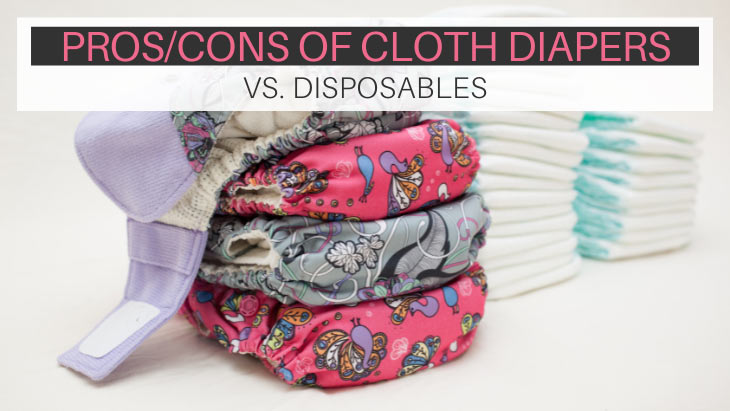
If you suspect that your baby is sensitive to excessive dryness caused by the superabsorbent polymer in disposable diapers, the next best solution would be to use diapers that are less absorbent or switch to reusable cloth diapers (here are the biggest pros and cons of cloth diapers to give you an idea what that might entail).
#2 DYES
Dyes can be found all over the diaper, inside and out. Colors and prints are what makes the diaper stand out.
The problem with dyes is that they are capable of causing allergic reactions and can be contaminated with toxic chemicals like heavy metals.
Even though diaper brands generally resist disclosing details on the types of dyes they use, the good news is that disposable diapers sold these days are made with pigments and inks instead of problematic coloring agents like disperse dyes, which are known sensitizers.
On the other hand, the classification of “pigments” and “inks” is so vague that it’s impossible to tell whether every single dye currently used in disposable diapers is truly safe and free of heavy metals, toxins, and skin irritants.
✐ Dyes
In general, prints on the outer cover of a diaper pose little risk to baby. It is, however, ideal to avoid diapers that have a colored inner lining or gussets (areas right next to baby’s skin) to minimize direct exposure to dyes. (It’s not common these days for brands to use dyes on the inner layer of diapers, but if your diapers have a colored lining and your baby shows a sudden reaction or tends to have a persistent rash in the areas where the diaper dye touches the skin, the dye could be the problem.)
Related:
- #MomHacks: Using Sunscreen for Diaper Rash
- Is Polyester Safe for Babies?
- Sugar in Baby Formula VS. Breast Milk
#3 FRAGRANCE
Some diaper brands add fragrance to their diapers to help mask unpleasant odors. (Pampers, for example, is a diaper brand notoriously famous for its scented diapers.)
By definition, fragrance is a blend of various synthetic chemicals and is among the top allergens capable of triggering asthma attacks or eczema, as well as skin irritation and localized rash. Because fragrance formulas are considered proprietary information and are protected under trade secrets, diaper manufacturers are immune from having to disclose the individual chemicals that make up the diaper’s scent.
Every time you use a product that contains synthetic fragrance, including scented diapers, you’re creating a potential for allergic skin reactions, respiratory problems, and other concerning health issues. Some common fragrance ingredients are classified as known or suspected endocrine disruptors, meaning these ingredients can mimic hormones and disrupt the delicate balance of the endocrine system.
✐ Fragrance
Although synthetic fragrance can be a major source of toxic chemicals in disposable diapers, these particular toxins are easily avoided by shopping selectively: unscented diapers work just as well! **All selections in my best non-toxic diapers review are made without fragrance.**
That said… keep in mind that “fragrance-free” does not equate to “odor-free.” Some chemicals naturally emit odors, like aloe vera which gives off a subtle scent which you might be able to detect in the package of your diapers if they contain aloe in the top sheet.
#4 ADHESIVES
Many different components need to be bonded together during the manufacturing process of disposable diapers. Modern baby diapers are made of multiple layers of various materials, each with a unique function, and adhesives keep them all together.
Basic design components of disposable diapers:
- Back sheet (outer lining): a cloth-like shell with a thin plastic leak-proof film that prevents liquids from exiting the diaper. The back sheet is typically made of petroleum-based polypropylene and polyethylene, though some green diaper manufacturers use bioplastic (plant-based plastic) instead, or other materials like bamboo fibers.
- Top sheet (inner lining): the inner layer of a diaper that sits against baby’s skin. The top sheet helps channel liquids away from the skin and into the deeper layers of the diaper. It’s usually made of a polypropylene, but some brands use bio-plastic (namely from corn or sugar cane) or bamboo fibers. Surfactants such as vitamin E, aloe vera, or various lotion formulations can be added onto this layer to enhance its function and to reduce surface tension.

- Absorbent core: the internal layer of a diaper that pulls and traps moisture. The absorbent core consists of wood fluff pulp and chemical superabsorbers (superabsorbent polymer – SAP), wrapped in a shell of various materials – both synthetic and bio-based fibers can be used. A patch of an acquisition/distribution sub-layer is typically added between the core and the top sheet in order to move liquids quickly into the target zone.
- Additionally, various parts are added onto the diaper chassis such as the wetness indicator, waistband and side panels, closing tabs, and the leg gussets.
Diaper companies seem to largely rely on a hot-melt adhesive process that uses thermoplastic polymer to bond diaper components together, although interest is increasing in glue-less bonding using ultrasound technology in at least some parts of the diaper.
Unfortunately there isn’t a whole lot of information on the adhesives that diaper manufacturers use. A leader in transparency in this area is Healthynest which is a company that shares a detailed list of ingredients and materials that make up their diapers, including the adhesives they utilize.
Of course knowing the chemicals alone won’t help you predict whether your baby will be sensitive to the adhesives used, but it’s not too far-fetched to believe that diaper companies would be more careful with their selections if this detail was made public.
✐ Adhesives
Suffice to say, adhesives are used quite liberally across disposable diapers, and it’s possible for a baby to experience sensitivity to some of the constituents of the hot melt. If your baby is left with signs of rash and irritation where the diaper material touches the skin, no dye is used on the inner liner or gussets, and the top sheet seems to be wicking moisture well, the adhesives could potentially be the cause. Try a different brand for a few days and see if there is an improvement.
Related:
- Pros & Cons of Cloth Diapering (No BS!!!)
- The Single Best Baby Powder Alternative
- Bamboo Disposable Diapers: Are They Worth It?
#5 LOTION
The outer layer of the top sheet of some disposable diapers is coated with a layer of “lotion.” This is the surface area of the top sheet that’s in direct contact with baby’s skin.
The purpose for adding topical lotions to the top sheet is to reduce adherence of the diaper material and feces to the skin and to help protect the skin from irritation and exposure to wetness.
When it comes to disposable diapers, “lotion” is a catch-all phrase for various formulations of creams and ointments that typically include aloe vera or other botanical extracts and other ingredients, generally in a base of petrolatum or vegetable oils.

I’m of the opinion that not all diaper top sheet “lotions” are necessarily bad news. For example, aloe has soothing properties and can be helpful in treating or preventing diaper rash and skin irritation. Aloe vera is considered safe for baby’s skin, although some babies can be allergic.
The problem with lotion add-ons (besides allergies) is the widespread lack of disclosure on the ingredients used in the lotion formulations.
Mainstream diaper brands are more likely to use petrolatum lotions. The lotion does transfer to the skin, so if you prefer to avoid petroleum jelly and other petrolatum derivatives on your baby’s skin, keep this in mind when you are selecting diapers.
✐ Lotion
Not only can lotion be another source of toxic chemicals in baby diapers, disposable diapers work just fine without added lotion. Choose them if your diaper brand isn’t disclosing the lotion ingredients and you don’t trust the brand or don’t support the science of using mystery ingredients, or if you are suspecting your baby is sensitive to aloe vera since aloe is a common top sheet lotion ingredient.
Diapers with NO LOTION in the top sheet:
➤ See a full review of most of these diaper brands here!
- Abby & Finn
- Bambo Nature
- Coterie
- DYPER
- Ecoriginals
- Eco by Naty
- Healthybaby
- Hello Bello
- Honest
- Kudos
- Little Toes
- Millie Moon (Target)
- Seventh Generation
#6 PHTHALATES
I’m guessing that you have probably heard of phthalates by now. If you haven’t, phthalates are a group of chemicals used as industrial plasticizers that make plastic softer and more durable. In addition, other sources of phthalates aside from plastic polymers can be dyes, adhesives, or synthetic fragrance, all of which apply to disposable diapers.
Phthalates are not chemically bonded to the plastic polymer or other materials they are added to and leach easily and continuously. Even airborne phthalates pose a risk and can be both inhaled and absorbed through the skin.
Related:
- Is Palm Oil in Baby Formula Safe?
- Glass Baby Bottles VS. Plastic Bottles (Pros/Cons)
- Best Natural Baby Wipes
While the industry and health advocates remain in argument over the health risks of phthalates, what we do know so far is that phthalates are a large and diverse group of chemicals, some of which appear to have the potential to disrupt hormonal balance and contribute to neurological issues as well as developmental delays in children.
How much do phthalates contribute to the overall burden of toxic chemicals in diapers? Should you worry about phthalates in baby diapers?
In my opinion there is no real benefit in trying to avoid phthalates in disposable diapers AT THIS TIME.
Why do I say that? Because by taking phthalates out of the equation, a manufacturer has to look for replacement chemicals to achieve the effects of phthalates without using any. Various phthalate substitutes have taken over in the recent years, and there is no guarantee that they are any safer. We may only find out down the road that they are just as bad, if not worse than the original chemicals they replaced. (Similar to the BPA debacle where the industry has replaced BPA (bisphenol A) with other bisphenols which have equally damaging effects on our health.)
Quite a few baby diaper brands present their diapers as being free of phthalates and many are backed with a certification like Oeko-Tex 100 which sets stringent limit values for a number of phthalates, but it remains unknown whether all of them were made completely without phthalate compounds or with phthalate replacements.
The list of certified phthalate-free diapers includes DYPER, Eco by Naty, Healthybaby, and Kudos, which all bear Oeko-Tex 100 certification, and Coterie that provides other form of third-party testing for phthalates.
✐ Phthalates
Although avoiding phthalates in diapers can be a monumental task since these are almost always hidden ingredients, simply choosing fragrance-free diapers is an effective step in improving the odds of keeping your baby safe from a common source of phthalates.
#7 DIOXINS
Dioxins are potent carcinogens and persistent environmental pollutants that can form as a by-product during the bleaching process of diaper materials.
Many disposable baby diapers contain traces of dioxins. The main source is the fluff pulp in the diaper’s absorbent core, although any diaper material that undergoes bleaching is vulnerable to dioxin contamination.
Together with superabsorbent polymers, fluff pulp is used in the absorbent core of baby diapers to help absorb wetness. It also adds softness and cushioning to the diaper.
Fluff pulp is made from wood fibers by crushing the wood and extracting cellulose which is then bleached. Bleaching disinfects, lightens, and softens up the cellulose pulp, and improves its absorbency.
Up until the late 1980s the industry relied on elemental chlorine (chlorine gas) as the bleaching agent of choice in wood pulp purification which is a method that produced large amounts of dioxins and other toxic chlorinated compounds.
Elemental chlorine (EC) bleaching has been largely phased out in the Western world since then (it may still be used in Asia) and replaced with alternative methods that are broadly categorized as elemental chlorine-free (ECF) and totally chlorine-free (TCF) bleaching processes. Although both methods are without a doubt safer replacements for elemental chlorine, this is where diaper labels can be a tad misleading if you don’t read between the lines.
Elemental chlorine-free diapers VS. totally chlorine-free diapers
When diapers are made with elemental chlorine-free (ECF) fluff pulp it means that the cellulose pulp used in the absorbent core was bleached using a chlorine derivative such as chlorine dioxide. It’s a step up from using elemental chlorine, but while this bleaching method does significantly reduce dioxins and other by-products (by well over 90% when best available practices are used), it does not entirely eliminate them. Most mainstream diapers are made with elemental chlorine-free fluff pulp. Look for labels:
- chlorine-free
- elemental chlorine-free
- free of chlorine bleaching
- ECF
Disposable diapers made with totally chlorine-free (TCF) fluff pulp contain cellulose pulp that has been bleached using hydrogen peroxide and/or ozone instead of chlorine or chlorine derivatives. TCF is the safest bleaching method in the pulp industry today that eliminates dioxin formation altogether. Totally chlorine-free diapers are labeled as:
- 0% chlorine
- 100% chlorine-free
- totally chlorine-free
- TCF
“Chlorine-free” DOES NOT EQUAL “totally chlorine-free”
Many diaper manufacturers render their diapers “chlorine-free” based on the elemental chlorine-free (ECF) processing. But the reality is, unless a diaper bleached with non-elemental chlorine is thoroughly tested and PROVEN to be 100% dioxin-free, “non-detectable” only refers to how sensitive the tests are and not the actual levels of residual dioxins.
Are “traces” of dioxins in diapers harmful for babies?
You’ll see some people downplaying the effects of ECF vs. TCF bleaching methods when it comes to disposable diapers. Ultimately, like anything else in parenthood, it’s a personal choice.
The arguments in favor of elemental chlorine-free bleaching are based on the notion that ECF diapers contain very small amounts of dioxins (TRUE) and that dioxins are everywhere in the environment, even in the foods we eat (ALSO TRUE).
On the other hand, we wouldn’t be burdened by dioxins from the environment if we hadn’t introduced them into the environment in the first place.
Here is another perspective: the more dioxins are released into the environment across the world, the bigger the problem we are creating for all future generations. For every consumer product that contains “traces of dioxins,” the bigger the chance of more dioxins and dioxin-like compounds entering the waterways, air, and the surrounding environment during the manufacturing process where they accumulate and eventually make their way into the human body – through the foods we eat, by inhalation, and skin contact.
The problem with dioxins is that once they’re in the body, they’re very hard to eliminate. And a little here and there can quickly add up to a lot with chemicals that are so widespread in the environment.
Per the CDC (Centers for Disease Control and Prevention), human health effects from low environmental exposure to dioxins are unclear. That said, the amounts in diapers alone are not known to cause adverse effects.
✐ Dioxins
The take-away is simply to be aware of the difference between ECF and TCF diapers when selecting baby diapers. Elemental chlorine-free bleaching (ECF) generates traces of dioxins which are persistent bio-accumulative toxic chemicals, whereas totally chlorine-free bleaching (TCF) produces no dioxins and has a lower environmental impact.
#8 ORGANOTINS (TBT, DBT)
Disposable diapers may contain tributyltin (TBT) or other organotin compounds (organic tin compounds) like dibutyltin (DBT) and monobutyltin (MBT) which are persistent organic pollutants that happen to be extremely harmful to aquatic life.
One source of tributyltin contamination can be the fluff pulp in the diaper’s core that may contain remnants of TBT which is used as an antifungal agent in wood pulp mills, but other diaper components have been found to contain organotins as well.
According to this analysis, both the inner and outer parts of diapers that were evaluated for various contaminants contained TBT and other organotin compounds, with the highest concentration in the waistband section. Tin compounds are not ingredients of choice but are used as stabilizers in the manufacturing of plastic polymers, so perhaps that might be how these chemicals are finding their way into disposable diapers.
Organotin compounds are known to be slightly to moderately toxic to mammals, but the effects on humans aren’t clear and need to be studied more.
✐ Organotins
One way to screen for potential contamination with organotin compounds like TBT in baby diapers is to take note of any certifications – particularly by Oeko-Tex. The Oeko-Tex Standard 100 label requires testing for organic tin compounds.
Baby diapers certified by Oeko-Tex (Oeko-Tex Standard 100):
#9 VOLATILE ORGANIC COMPOUNDS (VOCs)
Volatile organic compounds (VOCs) are a group of chemicals that release fumes into the air and contribute to indoor air pollution. Many are classified as proven or probable human carcinogens.
In this study, six leading cloth and disposable diaper brands were tested for the presence and effects of diaper emissions. It was found that mice exposed to conventional disposable diapers experienced asthma-like symptoms that increased during repeat exposure. Chemical analysis revealed several volatile organic compounds with documented toxicity: toluene, xylene, styrene, ethylbenzene, dipentene, and isopropylbenzene.
The effects of VOCs vary by the nature of the chemicals and the level and length of exposure. Long-term exposure to volatile organic compounds can cause damage to the central nervous system, liver and kidney, and may be carcinogenic.
Many volatile organic compounds have no detectable odor and easily go by unnoticed, so the way your diapers “smell” isn’t a reliable way in assessing whether they release any toxic vapors.
✐ VOCs
Diaper brands driven by positive eco-friendly practices are considered less likely to produce diapers containing harmful VOCs. But of course there are never any guarantees. To avoid exposure to VOC vapors it’s best to check for third-party certifications like Oeko-Tex. The Oeko-Tex Standard 100 label ensures compliance with stringent limits for volatile organic compounds (and a wide variety of other dangerous chemicals and harmful substances).

Baby diapers certified by Oeko-Tex (Oeko-Tex Standard 100):
In addition:
- A baby diaper brand Coterie shares the results of their third-party testing which includes several volatile organic compounds in the analysis.
- Eco Pea diapers are third-party tested for the presence of formaldehyde.
Don’t miss: The Ultimate Guide to Safe Baby Products
➤ The easiest way for SAFE baby care from head to toe!!! 🙂
Avoiding toxic chemicals in diapers
I hope this list gives you a better idea about the kinds of chemicals that can be lurking in baby diapers and how to avoid them, if at all possible, if you wish to.
As you can see, some chemicals in diapers are fairly easy to eliminate just by taking note of the labels.
Third-party certifications further increase your chances of avoiding problematic and potentially harmful chemicals in diapers.
It’s always a good idea to take company ethos and ingredient transparency into consideration as well. Some diaper brands share very little information about the materials and ingredients they use in their diapers, which can be a red flag in assessing the presence of avoidable toxins. At the same time, it’s understandable that in this day and age some companies may need to fiercely guard their proprietary formulas to keep others from copying their “secret sauce.”
A cheat sheet for avoiding toxins in diapers:
Personal choices can make a difference, but price alone isn’t a good indicator of how diapers will fare in the amount of toxins they can emit.
Below are 4 very simple criteria for choosing diapers that are safer for your baby no matter the price bracket.
- NO fragrance ➤ Using fragrance-free diapers is a very effortless way to cut back on the amount of toxins your baby is exposed to on a daily basis. Look for labels: fragrance-free, free of fragrances, free from perfumes.
- NO chemical smell ➤ Fragrance-free diapers shouldn’t have any overpowering smell. If there is a strong chemical odor once you open the package, it’s best to let the diapers air out in the garage or a spare room if you have that extra space. Contact the manufacturer and let them know. (In my experience, this can occasionally happen even with the most “natural green eco-friendly” diapers, but if it’s a regular occurrence, I would recommend switching brands.)
- NO dye on the inner lining (top sheet) ➤ There is no benefit for anyone in using diapers with a top sheet that’s any color other than white.
- Totally chlorine-free ➤ By switching to a totally chlorine-free diaper, you are reducing your baby’s exposure to dioxins and lowering the impact of dioxins on the environment on a global scale.
Here is a friendly reminder that *ALL* diapers on my list of the best non-toxic diapers fulfill or exceed the above criteria. This handy review includes performance ratings for each brand listed as well, so make sure to take a look if you’re looking for safer options in diapering without having to waste money on diapers with poor performance.




very informative article, thanks for sharing
Hi! What are your thoughts on Mama Bear Gentle Touch diapers? Thanks so much!
Hi Chloe, Mama Bear diapers (either version) are not totally chlorine-free, so they didn’t make it onto my list of the best non-toxic diapers. They are petroleum-based if you were wondering about the materials used. On the plus side, they’re made without perfume or lotions, and I believe both have a wetness indicator. The reviews are not stellar, but that’s almost to be expected with a budget diaper.
I am perplexed as to why Ecooriginals is off the list. I have looked over their description over and over and can’t find what causes them to not be safe. I would love help in understanding. Thank you!
In the post you are referring to I’m using the bleaching method as a ranking factor. All diapers on that list are fragrance-free, free of petroleum-based lotions, and all are TCF (totally chlorine-free) which is disclosed at the top of the article. Ecoriginals diapers are currently ECF (elemental chlorine-free), so they didn’t make the list. I will be featuring this brand in another article that will focus on the most natural disposable diapers currently on the market that will list both ECF and TCF options.
Have you heard of All Good at Walmart? I went to get some Hello Bello, but they were out of stock and I saw these All Good diapers, they claim to be free of a lot of things but when I went to their website, I couldn’t see any indicator that they are phthalate free. Wondering if you have any further insights on them.
Thanks for all that you do, it’s very helpful to new mamas!
klrgj
Ha Laura – yup, little to no transparency on the brand website always raises red flags for me, too. Here is what I pulled up from the website, Walmart listing, and SmartLabel disclosure: All Good diapers are free of fragrance, made in USA, have a wetness indicator, and are hopefully made without problematic dyes (honestly the dyes/pigments used all across the brands is a grey area, especially with less known and budget brands that aren’t as forthcoming about the ingredients used), but these are probably the only noteworthy qualities I can mention.
All Good diapers are made with ECF (elemental chlorine-free) fluff pulp rather than TCF. The materials used are almost all petroleum-based – a combination of polypropylene (top sheet/back sheet, tab system, leg cuffs), polyethylene (leak-proof film), and polyester (part of the absorbent core, acquisition layer), so standard in that way. It seems as though the only plant-based component is the fluff pulp in the core. So technically the plant-based claim on the website is not wrong… but misleading. In this sense, ALL disposable diapers are plant-based. SmartLabel indicates that a mineral-based odor absorber is used (similar to Pampers), so I would expect the top sheet to contain a layer of lotion with mystery ingredients, just as is the case with Pampers. Hence the label “No Fragrances, No Elemental Chlorine, No Parabens, No Latex” but no claim about lotion.
My best guess is that these diapers perform similar to other budget diapers (not as soft, not as absorbent as others, but will work for some, especially those that haven’t tried a true premium diaper). It’s just my opinion and I could be wrong. I haven’t gone deep into the reviews because at this point the majority seems to be a promotion-based feedback.
I hope this answers some of the questions you had about these diapers! 🙂
Have you read about Kudos diapers? I just came across them – they seem very new. Promising though?
This is the first time I’m hearing about Kudos diapers – thank you for bringing them to my attention! They sound like a well-thought-out diaper. The top sheet is strictly cotton (mechanically-cleaned rather than bleached), the core contains FSC-certified TCF fluff pulp, and the back sheet is made with plant-based polyethylene with a petroleum-derived leak-proof film. Kudos does not specify the cotton origins (unless I missed that information), so I wonder what the pesticide load is on those crops. After all, cotton is the most chemically intensive crop out there. Another red flag for some, based on personal preference, might be the potential for using GMO cotton. While Kudos diapers seem to be OEKO-TEX certified, OEKO-TEX does not discriminate against GMO cultivation and allows some pesticides to be present in the textiles that other certifications prohibit. By design, OEKO-TEX standards are the same for man-made and natural fibers and cater more to the transparency of man-made fibers, unfortunately in the case of natural fibers, many chemicals can slip through the radar. If you try them, will you please come back and share your feedback on their performance?